Skip to content
Summarize with
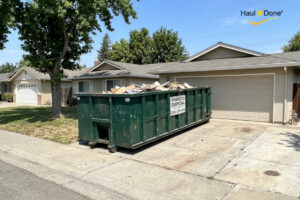
Renting a roll-off dumpster is the preferred choice for projects that span several days or weeks where waste accumulates steadily. This includes home renovations, roofing projects, or deep garage cleanouts where the worker needs to sort through items over time. Selecting a dumpster allows for a flexible DIY cleanup waste removal process because the bin remains on the property until the project ends.
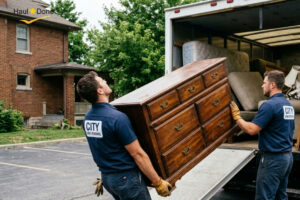
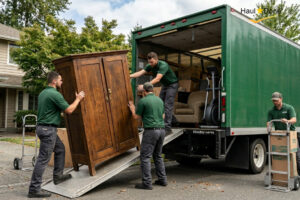
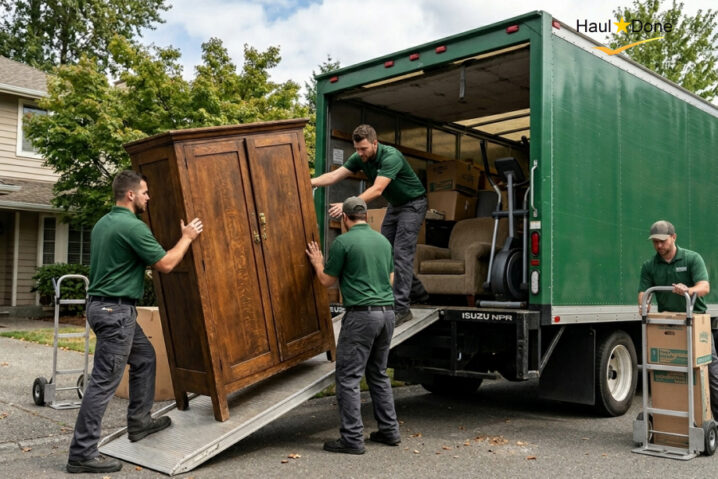
Hiring a local junk removal company is more effective for immediate, one-time disposals of specific items. If the debris is already gathered in a pile or consists of heavy individual pieces like old sofas, mattresses, or large appliances, professional haulers can remove it in minutes. This choice eliminates the physical labor of loading the waste and keeps the driveway clear of a large metal container.
Projects that Benefit from Roll-Off Dumpster Rental
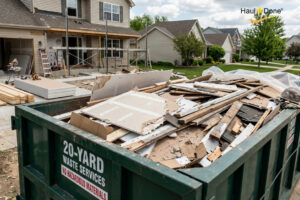
Large cleanup disposal options depend heavily on the duration of the work. For a dumpster rental for home renovation, the container serves as a central collection point for drywall, flooring, and lumber as they are removed. This prevents the workspace from becoming cluttered and dangerous. According to data from the Environmental Protection Agency (EPA), construction and demolition debris accounts for a significant percentage of the total waste generated in the United States, making efficient disposal planning necessary for any building project.
Garage cleanout dumpster rental is another scenario where having a bin on-site for a few days makes sense. Homeowners often find that sorting through decades of stored items takes longer than expected. Having a dumpster available allows for a methodical approach to tossing items without the pressure of a crew waiting for the work to finish.
Situations Better Suited for Junk Removal Services
Junk removal services provide a different type of value. These teams are ideal for “point and click” waste removal. If a tenant moves out and leaves a basement full of trash, a junk removal crew can clear the space in a single afternoon. This service is also better for people with physical limitations who cannot lift heavy objects into the high walls of a dumpster.
Price structures also differ significantly between these two options. A report from HomeAdvisor shows that junk removal pricing usually depends on how much space the items take up in the truck, while dumpster rentals usually have a flat fee based on the size of the container. For small amounts of trash, junk removal is often more affordable.
Homeowners exploring different disposal methods may also benefit from understanding how flexible collection options compare with traditional roll-off containers and full-service hauling. Reviewing dumpster bag vs dumpster rental vs junk removal provides a broader perspective on selecting the right solution based on project size and labor requirements.
Comparing Dumpster vs Junk Hauling Services
Understanding the logistical differences helps in selecting the right waste management strategy. The following table highlights how these services function in practical applications.
| Feature | Roll-Off Dumpster Rental | Junk Removal Service |
|---|---|---|
| Labor | You load the waste yourself | Professional crew loads it for you |
| Duration | Typically 7 to 14 days on-site | One-time pickup (usually under 2 hours) |
| Space Required | Requires a large, flat area for the bin | Requires temporary parking for a truck |
| Best For | Active construction and long cleanouts | Piled junk and heavy single items |
| Pricing | Fixed rate by bin size plus weight limits | Variable rate based on volume in truck |
| Convenience | Toss waste as you go | Fast removal of existing debris |
Things to Consider Before Making a Decision
Before choosing a disposal method, evaluate local regulations and property constraints. In some areas, dumpster rental services in California must follow specific diversion requirements to ensure that recyclable materials do not end up in landfills. This information is often available through the California Department of Resources Recycling and Recovery (CalRecycle), which provides guidelines on managing construction and demolition waste.
Space is another major factor. A 20-yard or 30-yard dumpster requires significant clearance for the delivery truck to drop and pick up the container. If the property has a steep driveway, low-hanging power lines, or limited street parking, a dumpster might not be a viable option. In these cases, a junk removal truck that can park briefly on the street is the better solution.
Bonus Tip 1
Always check for local permit requirements. Some cities require a permit if a dumpster is placed on a public street or sidewalk. Getting this paperwork ready early prevents fines and delays in the project.
Construction Debris Dumpster Guide for Homeowners
When managing a building project, the type of waste determines the dumpster size and weight limit. Heavy materials like concrete, brick, dirt, or asphalt require specialized “low-boy” dumpsters. These are smaller bins designed to handle the immense weight of masonry materials without exceeding the lifting capacity of the haul truck.
For standard remodeling debris like wood, insulation, and cabinets, a larger 20-yard or 30-yard bin is appropriate. These containers offer the volume needed for bulky items without hitting weight limits as quickly as heavy debris would. Planning for the specific material helps avoid overage charges, which occur when the weight of the waste exceeds the limit specified in the rental agreement.
Managing DIY Cleanup Waste Removal Efficiently
To get the most out of a dumpster, loading techniques matter. Break down large items like boxes or furniture to save space. Place flat items on the bottom and fill the gaps with smaller debris. This maximizes the volume of the container and ensures that the waste remains below the top edge of the bin. Haulers cannot legally transport a dumpster that is overflowing or has items sticking out above the rim.
Waste management experts like Haul Done suggest that clients keep a tarp over the dumpster during rainy weather. This prevents the debris from soaking up water, which adds significant weight and can lead to unexpected overage fees at the landfill.
Bonus Tip 2
Avoid putting prohibited items in the dumpster. Standard rentals do not allow hazardous materials, batteries, tires, or electronics. Understanding disposal restrictions before scheduling a container can help avoid rejected loads and unexpected fees. Reviewing what can you put in a dumpster rental in California provides additional guidance on acceptable materials and state-specific considerations. Mixing these with regular trash can lead to the entire load being rejected at the dump and result in steep penalties.
Best Projects for Dumpster Rental in Residential Areas
Renting a container is the most logical choice for estate cleanouts. When a family must clear a home after a relative passes away, the process is emotional and time-consuming. A dumpster provides a stationary spot to dispose of unwanted items over several weekends, allowing family members to work at their own pace.
Landscape overhauls also fit the dumpster model well. Removing old sod, bushes, and small trees creates a large volume of organic waste that most municipal trash services will not accept in standard bins. A dedicated roll-off dumpster rental for yard waste keeps the property clean while the new garden is being installed.
Common Questions about Waste Disposal
Choosing between these services often leads to questions about logistics and timing. Most people wonder about the actual footprint of a dumpster. A standard 20-yard bin is about 22 feet long and 8 feet wide, which is roughly the size of a large SUV. Ensure there is at least 50 feet of straight-line clearance for the truck to back into the space.
Another frequent question involves the duration of the rental. Most dumpster rental services in California offer a standard period of 7 to 10 days. If the project finishes early, the rental company can often pick it up sooner. If the project runs long, daily extension fees usually apply.
Direct Answers to Frequent Concerns
How do I know which dumpster size I need?
A 10-yard bin is suitable for small bathroom remodels or heavy materials like concrete. A 20-yard bin works for medium kitchen renovations or large garage cleanouts. A 30-yard or 40-yard bin is reserved for major construction or whole-house cleanouts. When in doubt, choosing one size larger is often more cost-effective than paying for two separate pickups.
Can junk removal companies take everything?
Most junk removal companies handle the same items as dumpster services, but may also offer specialized disposal for items like electronics or appliances that have cooling chemicals. However, they generally do not handle hazardous waste like wet paint, chemicals, or asbestos.
Is it cheaper to rent a dumpster or hire junk removal?
For large volumes of waste, a dumpster is almost always cheaper because the customer provides the labor. Junk removal prices include the cost of the crew, the fuel for their truck, and the time spent loading, which makes it more expensive for high-volume projects.
Will a dumpster damage my driveway?
Heavy metal bins can scratch or crack concrete and asphalt. To prevent this, place large pieces of plywood or long wooden boards where the dumpster wheels and rails will rest. This distributes the weight more evenly and protects the surface.
Do I need to be home for the delivery or pickup?
Generally, no. As long as the delivery area is clear of vehicles and obstacles, the driver can drop off or pick up the container without the homeowner being present. Clear communication about the exact placement of the bin is necessary to ensure it ends up in the right spot.
Final Considerations for Project Planning
The decision between renting a dumpster and hiring junk removal depends on the labor capacity and the timeline of the project. If the work involves a steady stream of debris over several days, the dumpster is the most efficient tool for the job. It keeps the site organized and allows for a flexible work schedule.
If the goal is to clear out a pre-existing pile of junk quickly without physical exertion, junk removal is the better path. For projects with strict deadlines, speed can become the deciding factor. Comparing same-day dumpster rental vs same-day junk removal can help determine which service delivers the fastest results for urgent cleanup situations. Evaluate the volume of waste, the physical demands of loading, and the available space on the property before booking a service. Matching the disposal method to the specific needs of the project ensures a smoother and more cost-effective experience.
Get Your Project Started with Haul Done
Selecting the right disposal method ensures that any cleanup stays on schedule and within budget. For residents needing reliable options, Haul Done provides a variety of container sizes and professional hauling solutions tailored to specific project requirements. Whether it is a home renovation or a simple property clearing, the right equipment makes the difference. Contact the office at 209-968-4285 or reach out via email at hauldone@gmail.com to discuss the available services and schedule a drop-off.
Sources
- Environmental Protection Agency (EPA) – Official government data regarding waste generation and construction debris management.
- California Department of Resources Recycling and Recovery (CalRecycle) – Regulatory information on waste diversion and recycling mandates in California.
- HomeAdvisor – A leading resource for national average costs for home improvement and waste removal services.
- Angi – Professional guidance on service comparisons between junk removal and dumpster rentals.