Skip to content
Summarize with
Standard household items, construction debris, and green waste are generally acceptable in most dumpster rentals across the state. This includes old furniture, clothing, wood, drywall, and yard trimmings. However, California law strictly prohibits hazardous materials, electronic waste, tires, and appliances containing refrigerants from entering landfills through mixed-waste bins.
This guide details exactly what can go in a dumpster rental to help residents and contractors stay compliant with local regulations. Haul Done provides these guidelines to simplify the waste management process for residential and commercial projects. Following these rules prevents extra fees and ensures that materials reach the correct processing facilities.
General Items Allowed in a Dumpster Rental
Most waste disposal services accept standard household junk and non-hazardous materials. These items typically comprise the bulk of home cleanouts and office renovations. Acceptable materials generally fall into three categories: general trash, construction materials, and yard debris.
Household junk dumpster guide categories include items like old toys, rugs, and general clutter. For those clearing out a garage or attic, most non-liquid waste is safe for disposal. Heavy items like books or tools are also acceptable, though weight limits apply to the bin.
Furniture and Large Household Goods
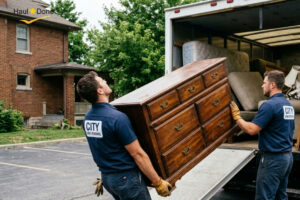
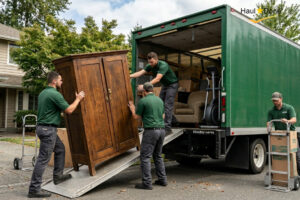
California’s furniture disposal regulations allow for most large items like chairs, tables, and cabinets. Upholstered items like sofas and mattresses are usually accepted, though some jurisdictions require these to be handled separately due to recycling mandates. As detailed later in this guide, metal bed frames and wooden dressers can typically go directly into the bin without special preparation.
Construction and Renovation Materials
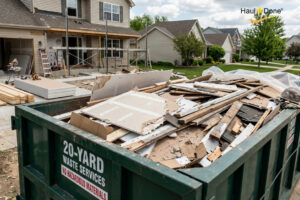
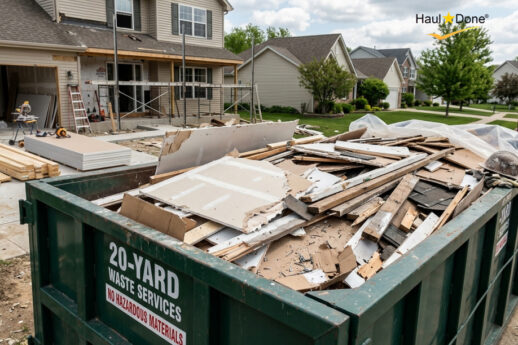
When working on a home project, a debris removal company will take most building materials. This includes lumber, siding, flooring, and cabinetry. Drywall and insulation are also permitted, provided they do not contain asbestos.
California Dumpster Rental Rules and State Legislation
California maintains some of the strictest waste diversion laws in the country. These laws aim to reduce the amount of material sent to landfills by mandating the recycling of specific items. A report from CalRecycle indicates that the state has a goal to recycle or compost 75 percent of solid waste generated.
Organic Waste and SB 1383
Senate Bill 1383 is a significant regulation affecting yard waste dumpster rental practices. This law requires the diversion of organic waste from landfills to reduce methane emissions. In many California cities, green waste like grass clippings and branches must be placed in a dedicated organic waste container rather than a mixed-waste dumpster.
Electronic Waste and Universal Waste
California considers electronics as hazardous waste. According to the Department of Toxic Substances Control, items like televisions, computers, and even some types of batteries cannot go into a standard dumpster. These materials contain heavy metals that can contaminate soil and groundwater if left in a landfill.
Prohibited Items in Dumpster Bins
Identifying prohibited items in dumpster rentals is essential to avoid fines and safety hazards. Most items on the “no-go” list are hazardous, flammable, or require specialized recycling processes that standard landfills cannot provide.
Commonly banned materials include:
- Paints, stains, and lacquers
- Automotive fluids like oil and antifreeze
- Pesticides and herbicides
- Large appliances with Freon (refrigerators, AC units)
- Propane tanks and pressurized cylinders
- Tires
Bonus Tip: If a container has a “Warning” or “Danger” label, it likely belongs at a hazardous waste drop-off site rather than in a rental bin.
| Waste Category | Examples of Allowed Items | Examples of Prohibited Items |
|---|---|---|
| Household | Furniture, toys, clothes, rugs | Batteries, paint, harsh cleaners |
| Construction | Wood, drywall, tile, siding | Asbestos, lead-based paint |
| Yard Waste | Leaves, branches, grass | Treated wood, railroad ties |
| Electronics | None (in most CA cities) | TVs, laptops, cell phones |
| Automotive | Seat covers, floor mats | Tires, motor oil, batteries |
Construction Debris Disposal Specifics
For large-scale projects, construction debris disposal requires an understanding of weight limits. Heavy materials like concrete, brick, and asphalt are allowed, but they often require a specialized “low-boy” dumpster. These bins are smaller but built to handle the extreme weight of masonry products.
When disposing of concrete, ensure it is “clean,” meaning it is free of excessive rebar or trash. Mixing dirt and concrete is sometimes permitted, but adding wood or plastic to a concrete bin will often result in a contaminated load fee.
Yard Waste Dumpster Rental Guidelines
Yard waste includes natural materials gathered during landscaping. Most waste disposal services accept branches, leaves, and shrubs. However, there are limitations on the size of the debris. Logs or stumps larger than six inches in diameter may be rejected by some facilities or require additional fees because they are difficult to process in standard grinders.
Sod and dirt are also restricted in many standard bins due to their weight. If a project involves significant excavation, a dedicated dirt bin is more cost-effective than a general-purpose dumpster.
Bonus Tip: Avoid putting plastic bags in a yard waste bin. Most composting facilities require organic material to be loose or in biodegradable paper bags to prevent plastic contamination in the finished compost.
Furniture Disposal California Requirements
While basic furniture is easily handled, California mattresses are subject to the specific Used Mattress Recovery and Recycling Act. Information provided by Bye Bye Mattress explains that a recycling fee is collected on all new mattress sales to fund recycling programs. Consequently, while most rental providers accept them, it is often more efficient to drop mattresses off at designated sites rather than placing them in a mixed-waste bin.
Things to Consider Before Making a Decision
Before ordering a bin, evaluate the specific needs of the project. Choosing the wrong size or type of bin can lead to logistical hurdles and increased costs.
- Volume and Weight: Estimate the total volume of the waste. Overfilling a dumpster is a safety violation, and drivers will refuse to pick up bins that have debris spilling over the top.
- Permit Requirements: If the dumpster needs to sit on a public street or sidewalk, most California cities require a temporary encroachment permit.
- Material Separation: Determine if the project generates enough of one material (like wood or concrete) to warrant a specialized recycling bin, which is often cheaper than a mixed-waste rental.
- Placement Area: Ensure the drop-off location is flat, stable, and clear of overhead wires or low-hanging tree branches.
Common Questions
Regarding specific items, many people wonder if they can put old appliances in a dumpster. Small appliances like blenders or toasters are generally fine. However, larger appliances like washers or dryers are often better handled through a scrap metal recycler. Anything containing hazardous chemicals, including old CRT monitors or mercury thermometers, must go to a specialized facility.
Another common inquiry involves “empty” containers. An empty paint can is only acceptable if the paint is completely dry and the lid is removed. Liquid paint is never allowed as it can leak and cause environmental damage during transport.
Frequently Asked Questions
Can I put a mattress in a California dumpster rental?
Most companies allow mattresses, but you may face an extra “bulky item” fee. California mandates mattress recycling, so many rental providers must transport these items to specialized facilities separately from general trash.
Is concrete allowed in a standard dumpster?
You can put concrete in a dumpster, but standard bins have weight limits. For more than a few wheelbarrows of concrete, you should request an inert waste bin specifically designed for heavy materials to avoid overloading the truck.
What happens if I put prohibited items in the bin?
If a driver spots prohibited items during pickup, they may leave the bin behind. If the items are discovered at the landfill, the rental company will pass on significant contamination fines to you, which can exceed the original cost of the rental.
Can I dispose of treated wood in a dumpster?
No. Treated wood, such as fence posts or deck boards infused with chemicals to prevent rot, is considered hazardous waste in California. It must be taken to a landfill specifically permitted to handle treated wood waste.
Do I need a permit for a dumpster in my driveway?
Generally, no permit is required for a dumpster placed on private property, like a driveway. You only need a permit if the bin occupies a public space like the street or a public parking spot.
Conclusion
Successfully managing waste in California requires knowing which materials belong in a rental bin and which require specialized handling. Standard household junk, construction debris, and green waste are the primary materials accepted. By avoiding hazardous chemicals, electronics, and tires, users can avoid additional fees and support state environmental goals. Always evaluate the volume of the project and check local municipal rules regarding street permits before scheduling a delivery. Directing specific questions to a local provider ensures that the disposal plan aligns with the latest state regulations and facility requirements.
Contact Information
For those requiring reliable waste management solutions, Haul Done offers professional support for various project sizes. Whether clearing out a home or managing a job site, having the right bin makes the process efficient. For questions regarding specific materials or to schedule a service, contact Haul Done at 209-968-4285. Direct communication ensures that all disposal needs are met while staying compliant with California dumpster rental rules.
Sources
- CalRecycle – Information regarding California’s 75 percent waste diversion goal and recycling regulations.
- Department of Toxic Substances Control – Official guidelines on universal waste and prohibited hazardous materials in California.
- Bye Bye Mattress – Details on the California mattress recycling program and disposal requirements.
- California Legislative Information – Full text of Senate Bill 1383 regarding organic waste methane emissions reductions.